
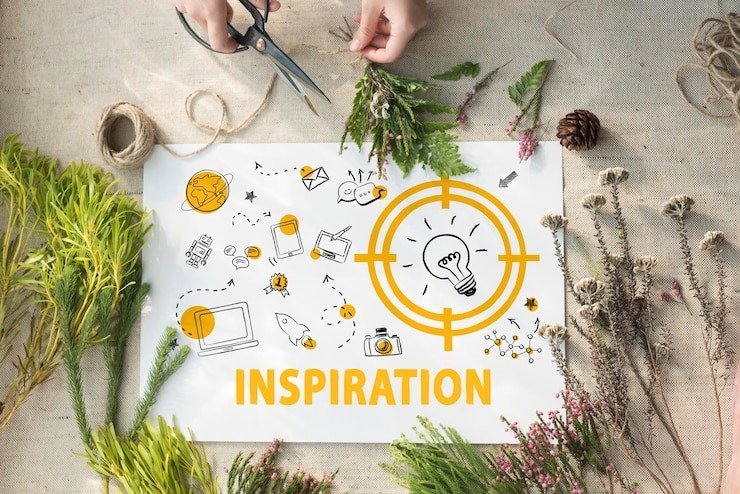
In an age where creativity is often seen as a rare commodity, the importance of fostering innovative thinking, especially within educational environments, cannot be overstated. The interplay between social media, teaching methodologies, and collaborative brainstorming presents a unique opportunity for educators, students, and professionals alike to unlock their creative potential. This article delves into how these elements intertwine, offering insights and practical strategies for harnessing the power of group brainstorming to generate prototype ideas.
The Role of Social Media in Creativity
Social media platforms have transformed the way we communicate, share ideas, and engage with content. These platforms serve as a digital canvas where creativity can flourish. From Twitter threads that spark discussions to Instagram feeds filled with visual inspiration, social media has become a breeding ground for innovative thoughts and collaborative efforts.
In educational settings, social media can enhance creativity by providing students with access to a vast array of resources, perspectives, and communities. When learners engage with peers and experts across the globe, they are exposed to diverse viewpoints that challenge their thinking and inspire new ideas. For instance, sharing projects on platforms like Pinterest or Behance allows students to receive constructive feedback while also encouraging peer-to-peer learning.
Teaching Strategies to Enhance Creativity
To cultivate creativity in the classroom, educators must adopt teaching strategies that encourage exploration, experimentation, and collaboration. Here are several effective approaches:
- Project-Based Learning: This approach encourages students to engage in real-world problems, fostering critical thinking and creativity. By working on projects that resonate with their interests, students are more likely to invest time and effort into innovative solutions.
- Flipped Classroom: By flipping the traditional teaching model, educators can give students the freedom to explore topics at their own pace, allowing for deeper engagement and creative exploration. This model encourages students to come prepared with ideas, making group brainstorming sessions more productive.
- Incorporating Technology: Utilizing tools like digital whiteboards, collaborative documents, and brainstorming apps can enhance the brainstorming process. These technologies enable real-time collaboration and can help organize thoughts visually, which is often beneficial for creative thinking.
Group Brainstorming: A Catalyst for Innovation
Group brainstorming is a powerful tool for generating ideas and solving problems collaboratively. It leverages the collective intelligence of a group, leading to outcomes that may not be achieved individually. However, for brainstorming to be effective, there are several key principles to keep in mind:
- Create a Safe Space: Encourage an environment where all participants feel comfortable sharing ideas without fear of judgment. This psychological safety is crucial for fostering open communication and creativity.
- Set Clear Objectives: Before starting a brainstorming session, clarify the goals and desired outcomes. This focus helps participants channel their thoughts and energies toward a common purpose.
- Encourage Wild Ideas: Sometimes the most unconventional suggestions can lead to groundbreaking innovations. Encourage participants to think outside the box and explore ideas that may initially seem impractical.
- Build on Each Other’s Ideas: Use the ‘yes, and…’ principle to cultivate a collaborative spirit. This technique allows participants to expand on each other’s thoughts, creating a chain of innovation.
Prototype Ideas: From Concept to Creation
Once a group brainstorming session has generated a plethora of ideas, the next step is to refine these concepts into viable prototypes. Prototyping is an essential step in the creative process, as it allows teams to test and visualize their ideas. There are several methods to approach prototyping:
- Low-Fidelity Prototyping: Start with simple sketches, storyboards, or wireframes. This low-cost approach enables quick iterations and feedback, allowing teams to identify strengths and weaknesses early in the design process.
- High-Fidelity Prototyping: Once the concept is refined, move towards more detailed prototypes that resemble the final product. Tools like Adobe XD or Figma can be instrumental in creating interactive prototypes that stakeholders can engage with.
- User Testing: Engaging potential users in the testing phase provides invaluable insights. Gather feedback to understand what resonates with the audience, refining the prototype based on real-world usage.
Bridging the Gap: Social Media and Education
Integrating social media into educational frameworks not only enhances creativity but also bridges the gap between theoretical knowledge and practical application. By encouraging students to share their prototypes on social media platforms, educators can facilitate feedback from a broader audience, fostering a culture of continuous improvement and innovation.
Moreover, social media can serve as a tool for networking, connecting students with mentors and industry professionals who can provide guidance and support. This exposure not only motivates students but also equips them with the skills and insights needed to thrive in a rapidly evolving creative landscape.
Our contribution: Embracing the Creative Process
The convergence of social media, teaching methodologies, and group brainstorming offers a unique pathway to unlocking creativity in educational settings. By embracing collaborative practices, educators can empower students to think critically, innovate boldly, and transform their ideas into tangible prototypes. In doing so, they not only prepare learners for the challenges of the future but also instill a lifelong passion for creativity and problem-solving.
As we continue to navigate an increasingly complex world, it is imperative that we prioritize the development of creative skills. By leveraging the tools and strategies discussed, we can inspire the next generation of thinkers, creators, and leaders to unlock their full potential.
